


Replacing your boiler with a heat pump: where should you start?
Are you considering replacing your old boiler with a heat pump? In renovation projects, an air-to-water heat pump can replace a gas or oil boiler, while continuing to use the existing central heating system whenever the installation allows.
However, before choosing a system, several factors need to be assessed, including the property’s insulation, existing radiators, heating needs, heat pump sizing, and the location of the outdoor unit.
KEY TAKEAWAYS
✔️ An air-to-water heat pump can replace a gas or oil boiler in many renovation projects.
✔️ Existing radiators and the central heating system can often be retained.
✔️ A preliminary assessment is necessary to verify the property’s suitability and correctly size the installation.
Here are 5 questions to ask before replacing your boiler with a heat pump.
1. Is My Home a Good Candidate for a Heat Pump?
A heat pump can be suitable for both older and newer homes, provided that the property’s characteristics and heating requirements are properly assessed. It is therefore not necessary to live in a new or perfectly insulated home to consider this solution.
The characteristics of the building have a direct impact on its heating demand, including floor area, insulation level, location, heated volume, and heat loss.
A home with significant heat loss will require more energy to maintain a comfortable indoor temperature. Before choosing a heat pump, it is therefore essential to assess the property as a whole.
In some cases, carrying out insulation improvements beforehand can help reduce heating demand and optimise the performance of the future installation.
2. Do I Need to Replace My Radiators When Replacing My Boiler?
Not necessarily. In many renovation projects, existing radiators can be retained when installing a heat pump.
When a boiler already supplies a wet central heating system, an air-to-water heat pump can, depending on the property’s configuration, be connected to the existing installation.
This depends in particular on the water temperature required to heat the property effectively and the characteristics of the existing heat emitters.
Some radiators operate at a higher water temperature than others. Their compatibility should therefore be assessed as part of the project study.
Learn more: Can You Install a Heat Pump Without Replacing Your Radiators?
Customer Case: Replacing a Gas Heating System with a WAO Air-to-Water Heat Pump
3. What Heat Pump Capacity Should I Choose?
The size of a heat pump should be determined based on the property’s heating requirements, not solely on its floor area.
Two 120 m² homes can have very different heating demands depending on their insulation levels, year of construction, location, heat emitters, and desired indoor temperatures.
Heat pump sizing should take the following factors into account:
- the building’s heat loss;
- the local climate and design outdoor temperature;
- the floor area and volume to be heated;
- the level of insulation;
- existing radiators or underfloor heating;
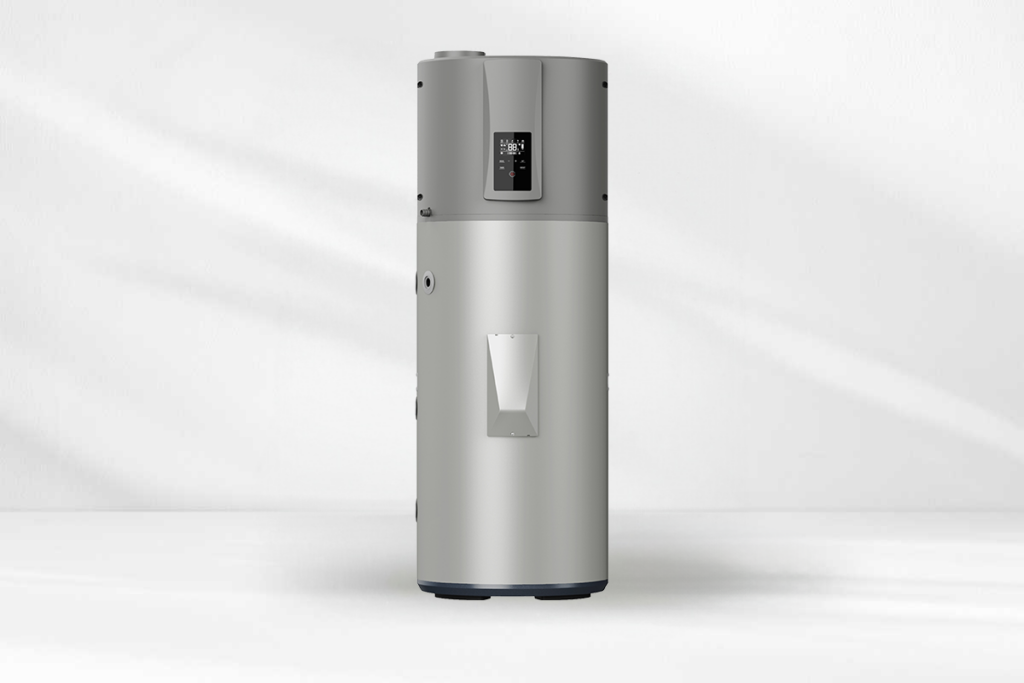
- any domestic hot water requirements.
An undersized heat pump may struggle to meet the property’s heating needs during the coldest periods. On the other hand, systematically oversizing the equipment is not the right solution: proper sizing contributes to comfort, performance, and the long-term reliability of the installation.
At WARMEO, sizing is an integral part of every project. Thanks to WARMEO Select, our partner professionals have access to a dedicated tool that assesses the characteristics of the property and helps guide the project toward the most suitable solution.
4. Where Should I Install My Heat Pump's Outdoor Unit?
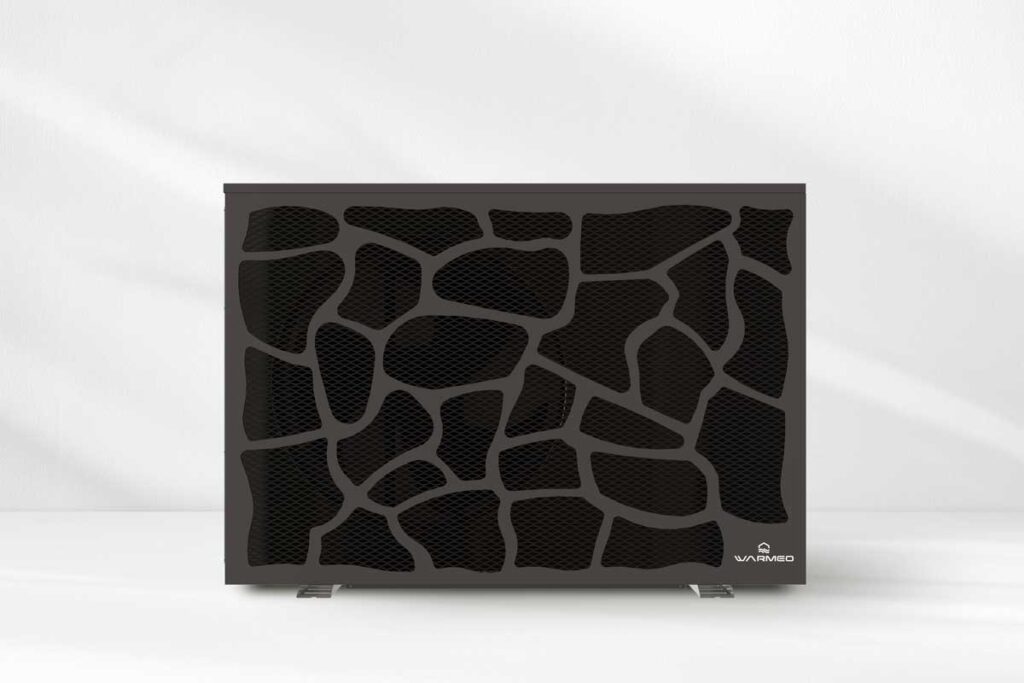
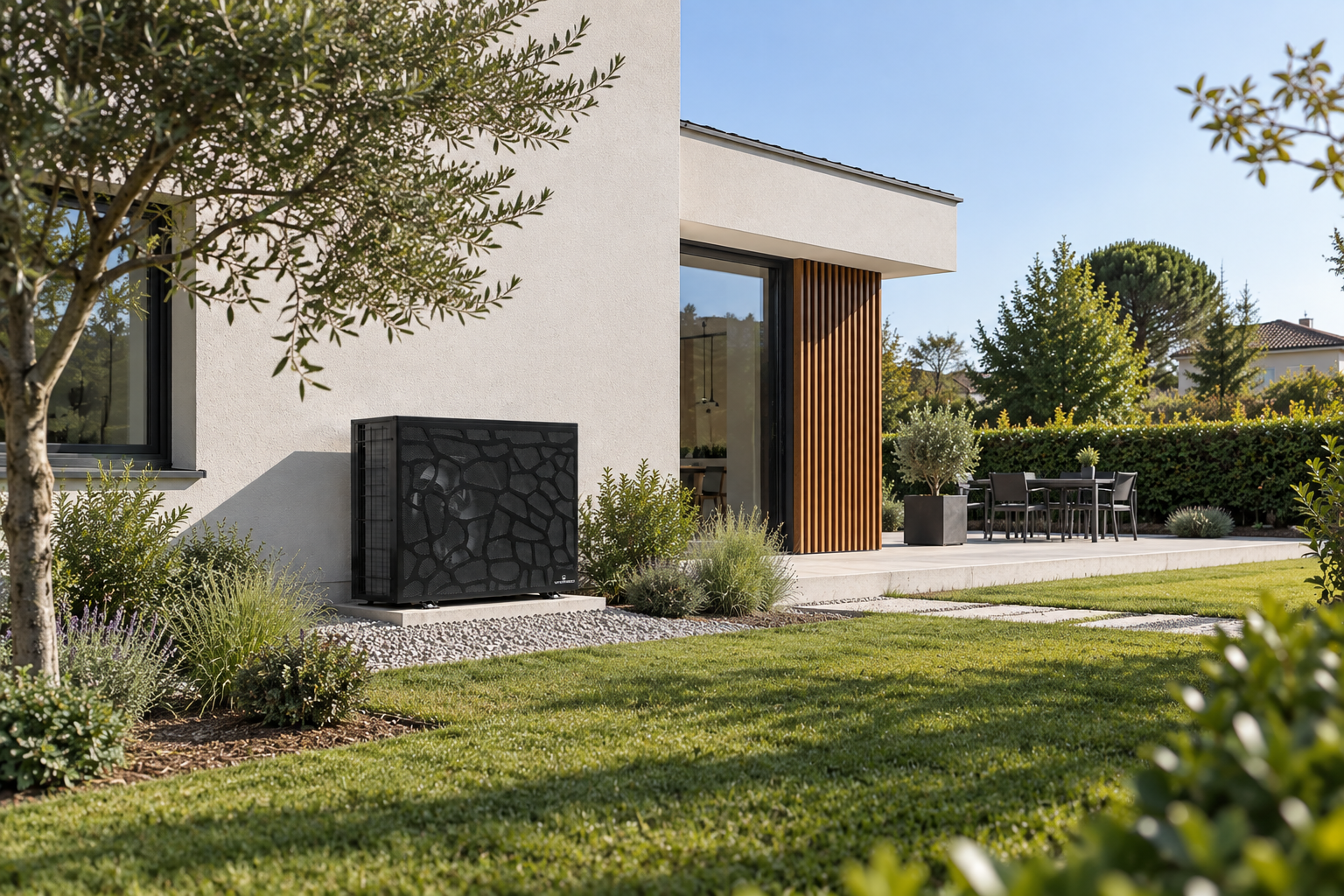
The outdoor unit of a heat pump should be installed in a location that is sufficiently open, accessible, and suitable for its operation.
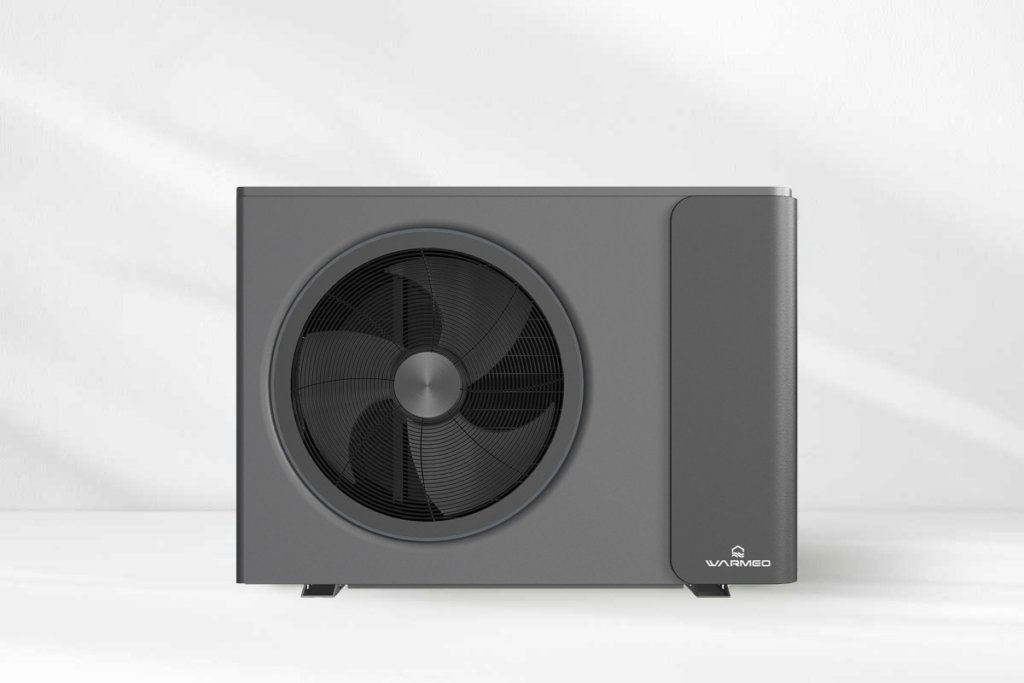
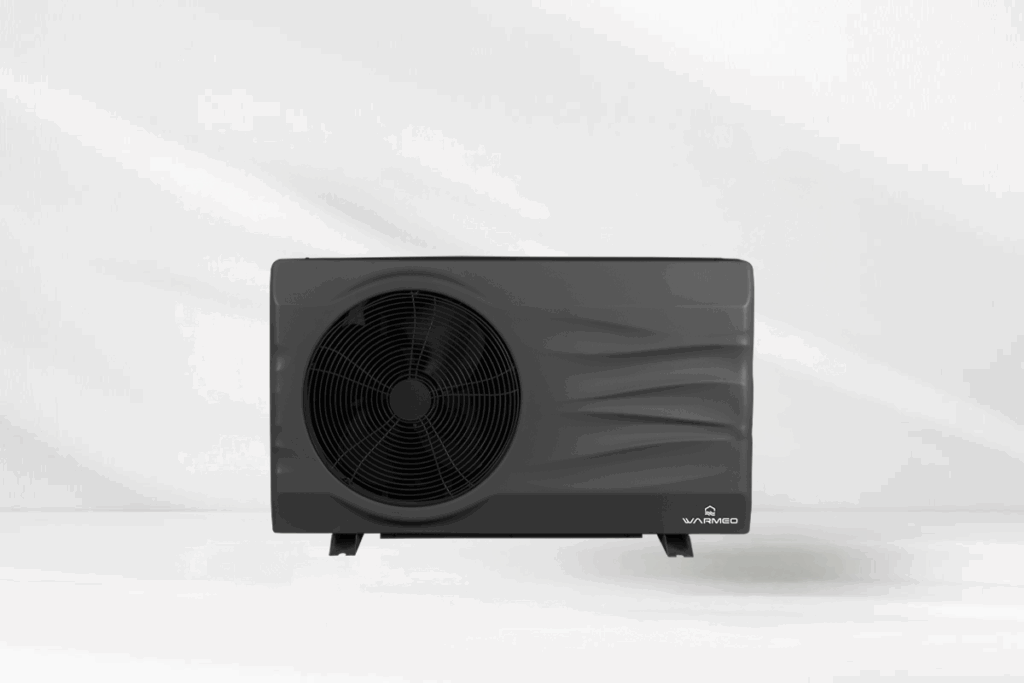
An air-to-water heat pump captures heat energy from the outside air to heat the water circulating through the heating system. It therefore requires the installation of an outdoor unit outside the property.
Its location should not be chosen solely for aesthetic reasons.
Adequate airflow must be maintained around the unit, obstacles that could interfere with its operation should be avoided, and sufficient access should be provided for maintenance.
The surrounding environment should also be considered in order to minimise potential noise disturbances for both the occupants of the property and neighbouring homes.
The location of the outdoor unit is therefore an integral part of the project assessment and should be planned before installation.
5. What Steps Should You Take Before Replacing Your Boiler?
Before replacing a boiler with a heat pump, the first step is to assess the property and the existing heating system.
This assessment helps determine the property’s heating requirements, verify the compatibility of the existing hydraulic network and heat emitters, and correctly size the heat pump accordingly.
A professional can then recommend a suitable solution and confirm the installation requirements.
Depending on the project and the homeowner’s circumstances, financial incentives may also help cover part of the cost of installing a heat pump, subject to the applicable eligibility criteria.
Further reading: Heat Pump Incentives 2026: What Homeowners Need to Know Before Getting Started
These steps help ensure that the chosen solution is genuinely suited to the characteristics of the property and its heating system.
Would you like to learn more about how air-to-water heat pumps work and how to choose the right system? Discover our Complete Guide to Air-to-Water Heat Pumps – WARMEO.
Explore WARMEO Heat Pump Solutions for Your Project
Once the property assessment has been completed, several solutions may be considered depending on the heating requirements, the existing installation, and the performance objectives of the project.
FAQ – Replacing Your Boiler with a Heat Pump
Yes, in many renovation projects, an air-to-water heat pump can replace a gas boiler. Feasibility depends on factors such as the property’s heating requirements, insulation level, and the characteristics of the existing heating system.
Yes. An air-to-water heat pump is often considered when replacing an oil boiler. A preliminary assessment helps verify the compatibility of the existing installation and determine the right system size for the property.
No, not necessarily. In many cases, existing radiators can be retained. Their compatibility depends in particular on the water temperature required to heat the property effectively and the expected performance of the system.
Oui, une maison ancienne peut être chauffée par une pompe à chaleur, à condition que l’équipement soit correctement dimensionné en fonction des déperditions thermiques et des caractéristiques du bâtiment. Selon la situation, des travaux d’isolation peuvent être pertinents avant ou en complément de l’installation.
The size of a heat pump should not be determined solely by the floor area of the property. Proper sizing takes into account factors such as heat loss, insulation levels, local climate, the volume to be heated, and the existing heat emitters. A preliminary assessment of the property is therefore essential. At WARMEO, we support homeowners throughout their renovation projects alongside our network of installation partners. Our sizing tools enable professionals to assess the characteristics of each property and guide every project towards the most suitable solution.
Yes, if a wet central heating system is already in place, it can often be retained. However, the compatibility of the existing installation should be assessed as part of the project evaluation.
Subject to meeting the applicable eligibility requirements, various energy renovation incentives may help finance the project. It is recommended to review the available support schemes before starting the installation work.