


Can You Install a Heat Pump Without Replacing Your Radiators?
Replacing a gas or oil boiler with a heat pump does not necessarily mean replacing all the radiators in your home.
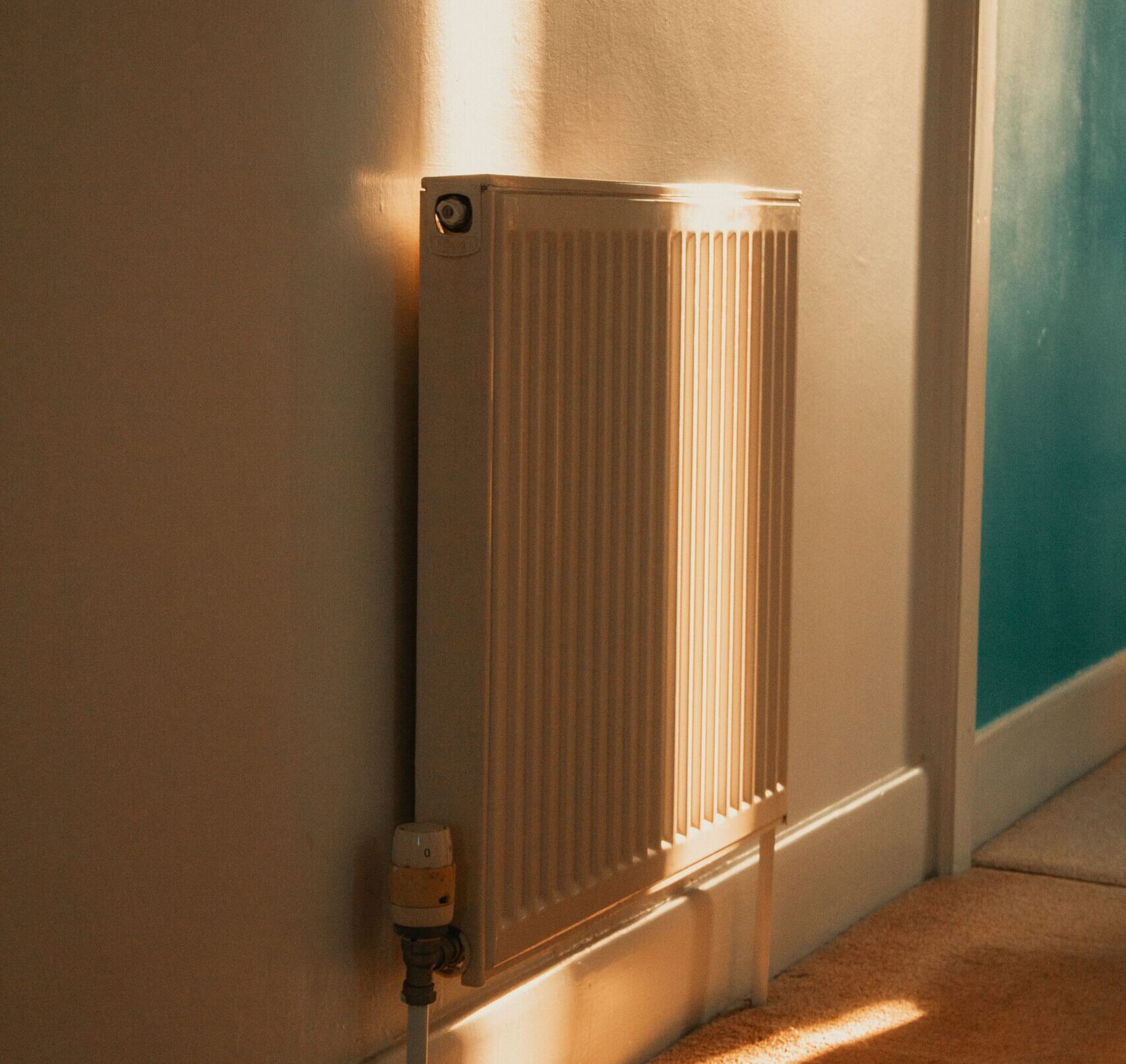
In many renovation projects, an air-to-water heat pump can be connected to the existing heating system. However, the ability to keep the existing radiators depends on whether they can meet the home’s heating demand at the water temperature required for the heat pump to operate efficiently.
Key Takeaways
✔️ Yes, an air-to-water heat pump can operate with existing hot-water radiators.
✔️ Whether they can be retained depends on their heat output and the property’s heating requirements.
✔️ A professional assessment can determine whether they can be retained, adapted, or replaced.
✔️ A high-temperature heat pump may be suitable for systems requiring higher water temperatures.
Can You Keep Your Existing Radiators with a Heat Pump?
Yes, provided that the existing radiators are properly sized to deliver the required heat output at the water temperature supplied by the heat pump.
When planning a renovation project, several factors need to be assessed:
- the heating requirements of the property;
- the output capacity of the existing radiators;
- the water temperature required to heat each room effectively;
- the sizing of the heat pump.
The radiator material, whether cast iron, steel, or aluminium, is therefore not the only factor to consider. A radiator can often be retained if it provides sufficient heat output at the planned operating temperature. Conversely, some heat emitters may require adaptation or replacement.
Why Is Water Temperature Important?
An air-to-water heat pump heats a water circuit that supplies radiators or underfloor heating. It generally delivers its best performance when the flow temperature is kept as low as possible.
However, some older heating systems were designed to operate with a boiler producing very hot water. This is why replacing a boiler with a heat pump must be assessed on a case-by-case basis.
The goal is not necessarily to run the heat pump at very high temperatures all the time, but rather to determine the actual water temperature required to maintain a comfortable indoor environment.
In some cases, the existing radiators can be retained. In others, it may be more appropriate to replace only those radiators that are undersized for the heating requirements.
How can you tell whether your radiators can be kept?
This is not a simple test that can be carried out on your own. During the project assessment, the installer will evaluate the property’s heat losses and heating requirements, then compare them with the output capacity of the existing radiators at different water temperatures.
The objective is straightforward:
To verify that the radiators can provide sufficient heat output at the water temperature required to maintain comfort in every room.
This assessment makes it possible to determine whether the existing heating distribution system can be retained as it is or whether certain heat emitters need to be adapted. It also helps identify a heat pump that is correctly sized for the property’s heating needs.
What About Older Homes?
An older home is not necessarily incompatible with a heat pump. However, it may have higher heating requirements and may have been fitted with a radiator system originally designed to operate with a high-temperature boiler.
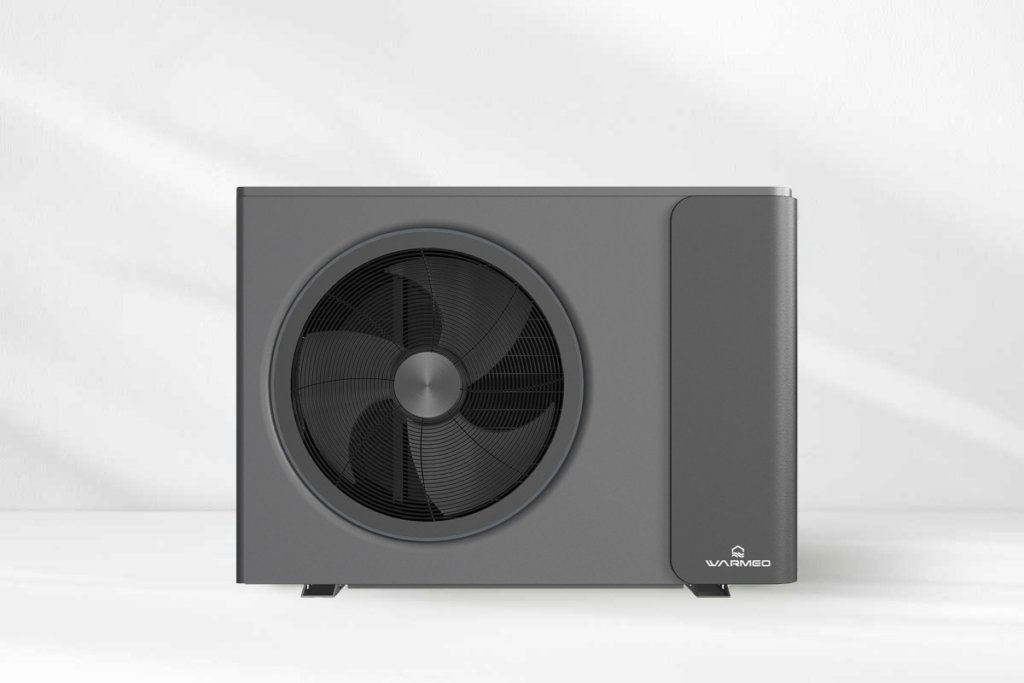
In this type of renovation project, a high-temperature heat pump can make integration with the existing heating system easier. This is particularly relevant when the goal is to modernise the heating source while minimising modifications to the existing hydraulic network.
Explore WARMEO's heat pump solutions for your renovation project
so... Do You Need to Replace Your Radiators When Installing a Heat Pump?
Not necessarily. If the property already has a wet central heating system, an air-to-water heat pump can, in many cases, be connected to the existing radiators. The decision mainly depends on:
The Property
→ its heat losses and heating requirements.
The Radiators
→ their heat output and ability to heat the rooms effectively at different water temperatures.
The Heat Pump
→ its capacity and ability to provide the required water temperature.
A professional assessment can help avoid unnecessarily replacing the entire heating distribution system.
a Renovation Project?
Looking to replace your boiler while retaining your existing heating system?
FAQ – Installing a Heat Pump Without Replacing Your Radiators
Yes. An air-to-water heat pump can supply an existing hot-water radiator system, provided the radiators have sufficient output to meet the property’s heating requirements at the heat pump’s operating water temperature.
The situation is different. An air-to-water heat pump heats a water circuit and therefore cannot simply be connected to electric radiators. Switching to an air-to-water heat pump requires the installation of a hydraulic heating system with suitable heat emitters. An air-to-air heat pump operates differently, as it delivers heat directly into the indoor air.
A heating professional should compare the property’s heating requirements with the output of the radiators at different water temperatures. This assessment helps determine whether the radiators can be retained, need to be adapted, or whether some should be replaced.
Not necessarily. It depends on the characteristics of both the property and the radiators. However, a high-temperature heat pump can be particularly suitable for certain renovation projects where the existing heating system requires a higher water temperature. The WARMEO WAO can provide a flow temperature of up to 70°C.