without sacrificing your comfort
Heating and domestic hot water production account for a significant share of a home's energy expenses. However, reducing your energy bill does not necessarily mean compromising on comfort.
Insulation, equipment selection, proper system sizing, optimized settings, and ongoing installation monitoring: several complementary measures can be combined to sustainably improve a home's energy efficiency.
Even in a modern home, a poorly adjusted or incorrectly sized installation can result in energy consumption far higher than the household actually requires.
Before considering major renovation work, it is essential to identify the main sources of energy consumption and the areas where improvements can have the greatest impact.
Heating is generally one of the largest sources of energy consumption in a home.
The choice of equipment should take several factors into account:
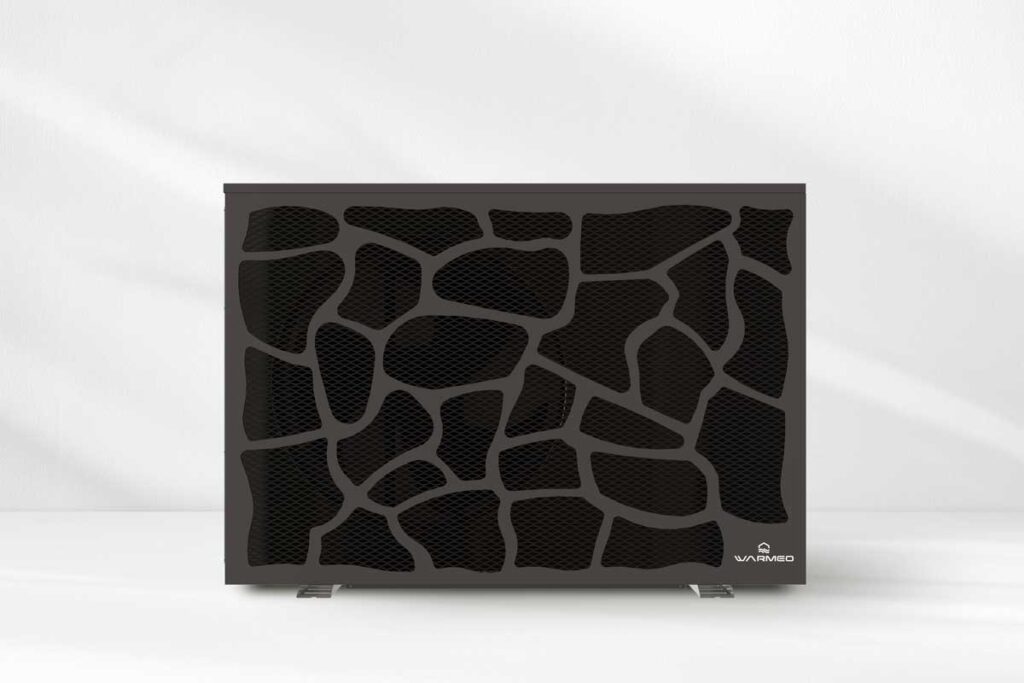
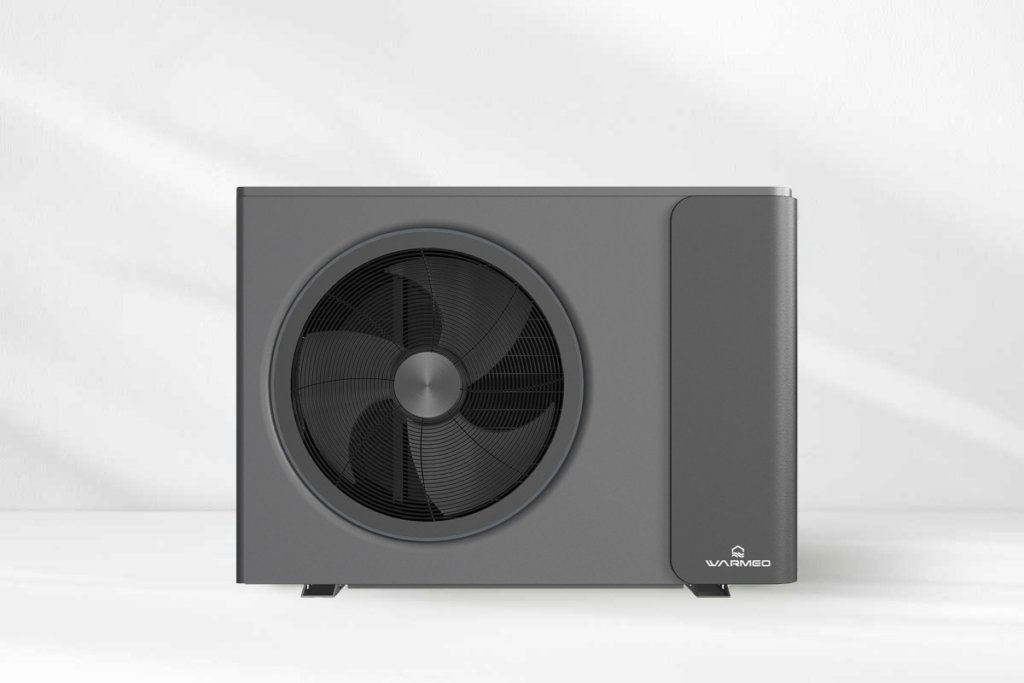
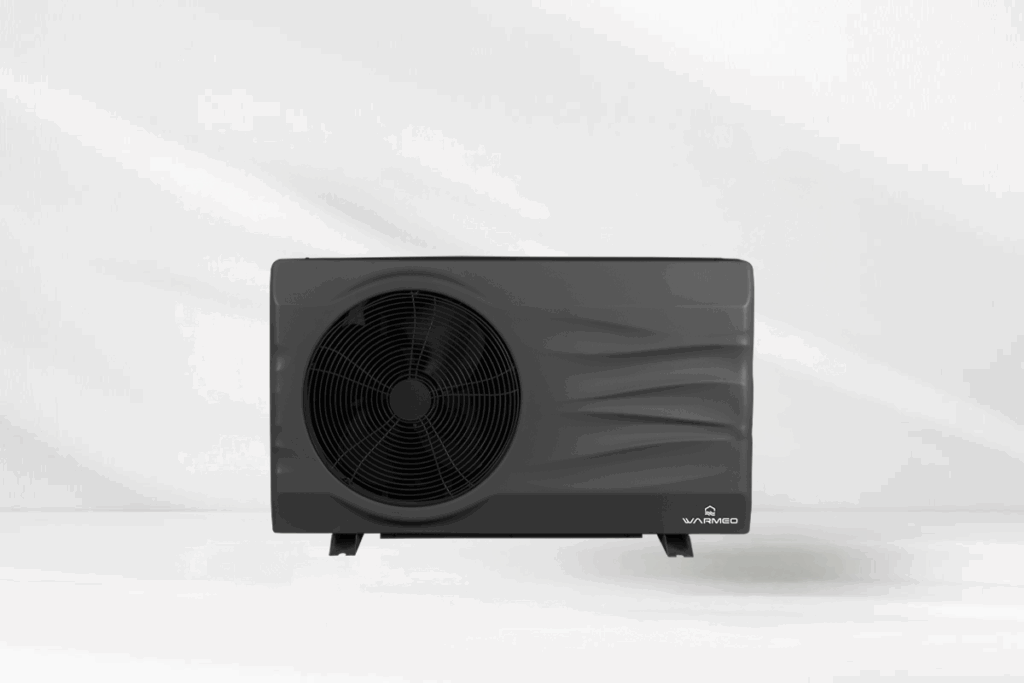
Among the available solutions, an air-to-water heat pump harnesses the heat naturally present in the outside air to warm the water circulating through the heating system.
When combined with proper sizing, high-quality installation, and compatible heat emitters, it can help reduce heating-related energy consumption while maintaining a comfortable indoor environment.
Domestic hot water production is also a major source of energy consumption, particularly in households with high daily hot water demand.
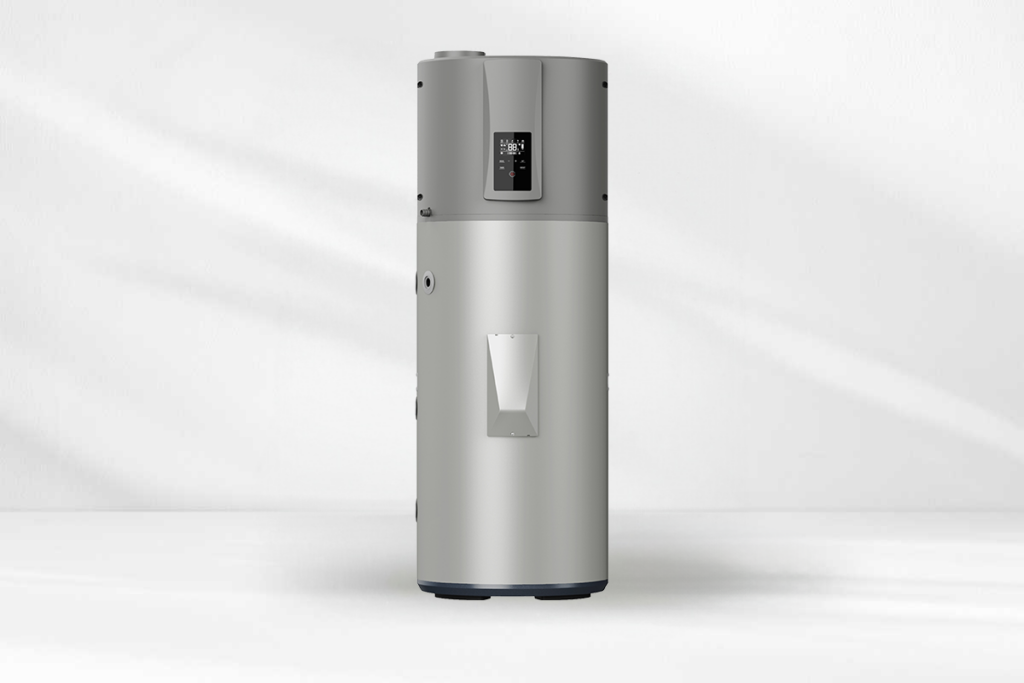
Replacing a traditional electric water heater with a heat pump water heater can improve the efficiency of domestic hot water production.
This type of system uses the heat naturally present in the air to warm the water stored in the tank. As a result, it reduces electricity consumption while providing a hot water supply that meets the household’s daily needs.
However, the tank size should be selected according to the number of occupants, the household’s hot water consumption habits, and the specific layout of the property.
The performance of a system does not depend solely on the technology it uses. The way it is configured and operated also plays a key role in overall energy consumption.
An excessively high temperature setting, an unsuitable schedule, or continuous operation outside occupancy periods can all lead to unnecessary energy expenses.
Several simple measures can help improve the way the system is used:
These adjustments help maintain comfort while reducing avoidable energy consumption.
The efficiency of a heating system largely depends on the thermal performance of the home.
The efficiency of a heating system largely depends on the thermal performance of the home. Poor insulation leads to heat loss, forcing heating equipment to work harder to maintain the desired indoor temperature. Improving the insulation of the attic, walls, windows, and floors is therefore a key step in enhancing thermal comfort and achieving long-term reductions in energy demand.
A better-insulated home also allows you to make the most of your heating system’s performance while reducing temperature variations between different rooms.
Remote control and monitoring
Monitoring and control enable users to view their system and adjust certain settings through a dedicated interface or compatible application.
It can notably help to:
Monitoring and Supervision
Beyond system control, monitoring operational data provides greater visibility into how the installation is performing and behaving over time.
At WARMEO, compatible connected solutions can help with:
This level of monitoring does not replace regular system maintenance, but it helps users better understand how their installation operates and enables faster action when needed.
By combining performance, connectivity, and expert support, WARMEO solutions help improve the long-term efficiency and operation of heating and hot water systems.
WARMEO also offers the Aeropool range of swimming pool heat pumps, designed to extend the swimming season while keeping the energy required to heat the pool under control.
The best results are generally achieved by combining several complementary measures:
This comprehensive approach helps enhance long-term home comfort while keeping energy consumption under control.
The selection of equipment, proper system sizing, smart control, and ongoing monitoring all work together to improve the energy efficiency of an installation.
Improving insulation, replacing outdated equipment, properly sizing the heating system, and optimizing system settings are among the most effective ways to reduce heating costs. Regular maintenance also helps preserve the system’s performance and efficiency over time.
A heat pump harnesses the heat naturally present in the outdoor air to generate heating. When properly sized and installed in a suitable home, it can help reduce energy demand compared with certain older heating systems.
A thermodynamic water heater offers an energy-efficient way to optimise domestic hot water production while reducing overall energy use.
They primarily help users manage their equipment more effectively, adjust settings to match household routines and occupancy patterns, and avoid unnecessary energy consumption. However, the level of savings achieved will depend on the property, the installation itself, and how the available features are used.
Good insulation reduces heat loss and limits the amount of time the heating system needs to operate to maintain the desired indoor temperature. It also improves thermal comfort and enhances the overall performance of heating equipment.
The choice depends on several factors, including the level of insulation, existing heat emitters, the size of the property, the local climate, and the household’s specific needs. A preliminary assessment is therefore essential before selecting a heat pump, a heat pump water heater, or any other heating and hot water solution.

Remote monitoring helps simplify equipment oversight, improve support responsiveness, and enable professionals to diagnose and troubleshoot heating systems more efficiently.
Connected solutions allow users to view certain operating parameters and gain a better understanding of how their equipment performs. Depending on the features available, they can also facilitate remote control and provide enhanced technical support.
Yes. Optimising temperature setpoints, scheduling heating periods, maintaining equipment, improving system settings, and monitoring energy consumption can already help reduce unnecessary energy costs. However, the results will depend on the initial condition of the home and the installation.