


Why is my heat pump consuming so much energy? 5 common causes
Your heat pump may be consuming more energy than expected for several reasons: temperature set too high, poor insulation, incorrect settings, or lack of maintenance.
The good news is that in most cases, these issues can be fixed easily. Here are the most common causes and how to address them.
A temperature set too high
This is the most common mistake.
A heat pump works best with a stable temperature, typically between 19°C and 21°C (66–70°F).
Raising the temperature too high significantly increases energy consumption.
Key takeaway: it is more efficient to heat your home gently and continuously.
In practice: try lowering the temperature gradually by 1 to 2°C (2–3°F) and monitor the impact on your energy consumption.
Poor home insulation
Even the most efficient heat pump cannot compensate for a poorly insulated home.
If heat is escaping (through the roof, windows, or walls), the system will need to run continuously to maintain the desired temperature.
Result: energy consumption increases rapidly.
In practice: start by identifying heat loss areas (windows, attic, walls) before adjusting your heating system.
Incorrect settings (heating curve, scheduling…)
Improper settings can significantly impact performance:
- heating curve not properly adjusted (a system that automatically adapts the heating temperature based on outdoor conditions)
- poorly configured heating cycles
- intermittent or inconsistent operation
These parameters are often overlooked but are essential for optimal performance.
In practice: if you are unsure, a professional can quickly check and adjust these settings to improve efficiency.
Incorrectly sized heat pump
If the system is not properly sized for your home:
- too small → it runs continuously
- too large → it cycles on and off frequently, reducing efficiency
In both cases, energy consumption may be higher than expected.
In practice: a professional assessment is recommended to verify whether the system matches your home’s needs.
Lack of maintenance
Over time, certain components can lose efficiency:
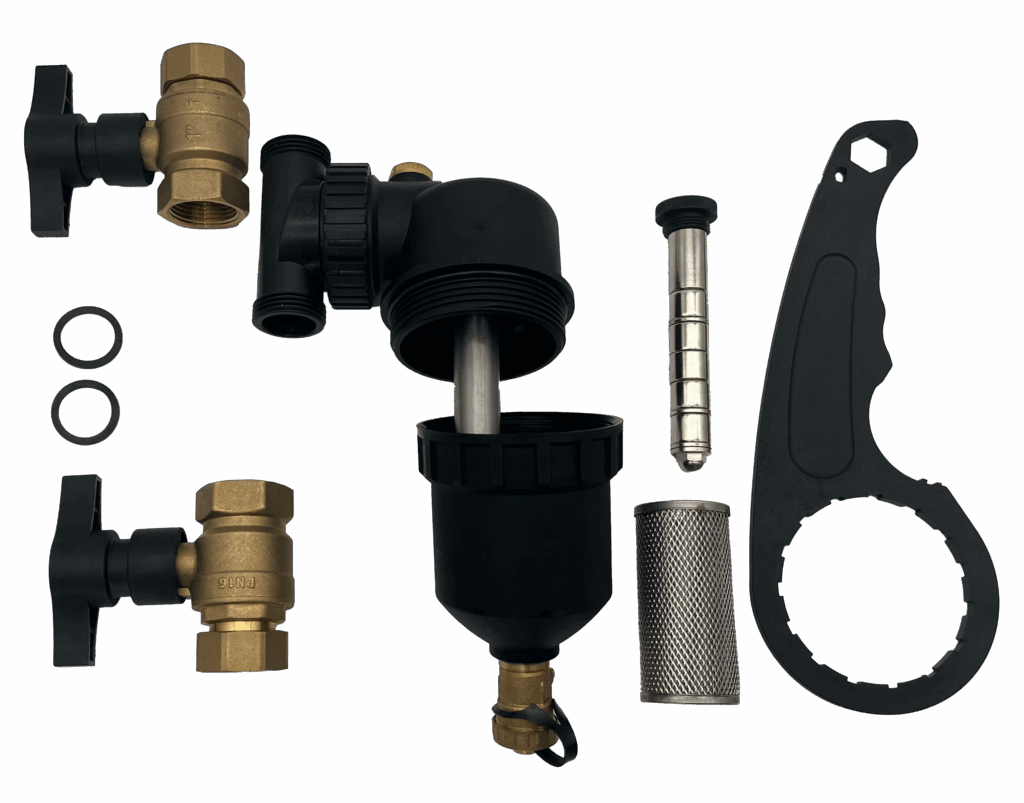
- clogged filters
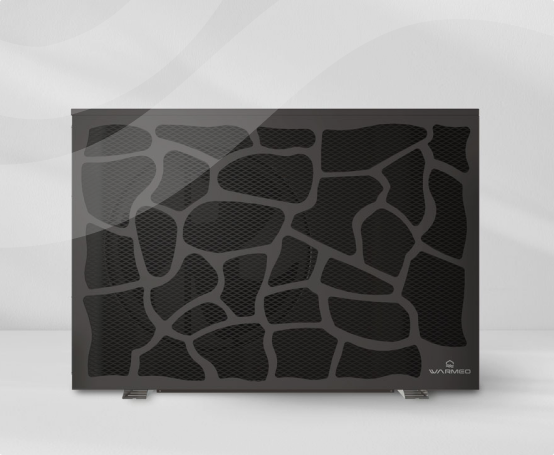
- obstructed outdoor unit
- less efficient heat exchangers
Regular maintenance helps maintain performance and limit energy consumption.
In most cases, a professional check-up is recommended every 1 to 2 years, especially to ensure the overall system is working properly.
In addition, you can perform simple maintenance tasks yourself, such as cleaning filters and keeping the outdoor unit clear.
An overlooked system can lead to gradual overconsumption that is not always immediately noticeable.
Should you be concerned?
In most cases, high energy consumption is caused by settings or installation-related factors.
A quick check often helps identify the issue and restore optimal performance.
However, a heat pump should not run continuously without ever stopping. If it does, this may indicate a setting, sizing, or installation issue.
A well-adjusted heat pump that matches your home can deliver significant energy savings
In most situations, a few simple adjustments are enough to reduce consumption without major work.
If you are unsure, a professional can help you identify the root cause and optimize your system’s performance.
FAQ : Why is my heat pump consuming so much energy?
No, a heat pump is designed to be energy-efficient. High consumption is usually caused by incorrect settings, poor insulation, or lack of maintenance.
The heating curve is a setting that automatically adjusts the heating temperature based on the outdoor temperature. Proper adjustment helps optimize energy consumption and improve comfort.
You can lower consumption by reducing the temperature slightly, optimizing system settings, and improving home insulation.
Regular maintenance also helps maintain optimal performance.
The weather compensation curve (heating curve) is generally set during commissioning by the installer. It can then be fine-tuned depending on comfort preferences, system type and the building’s characteristics.
On Warmeo heat pumps, the integrated smart control system can also automatically optimise certain settings to continuously adapt operation and improve performance without constant user intervention.
A heat pump can run for long periods, especially in cold weather, with poor insulation, or if it is undersized.
However, it should normally alternate between running and stopping. If it never stops, it may indicate a setting, sizing, or installation issue.
Yes, a professional check is recommended every 1 to 2 years to ensure the system operates correctly.
In addition, you can perform simple tasks yourself, such as cleaning filters and keeping the outdoor unit clear.